Analogue Adaptability
Full project and supporting research can be viewed here
We are currently in the throws of a fourth industrial revolution - a revolution like the ones before it, that has implications on the nature of work and production, creative outputs and architecture too. This one - driven by big data, AI and all of the other associated buzzwords - is quite quickly embedding itself within our buildings and exerting influence over how we occupy them, doing so before we have had the chance to properly scrutinise its potential consequences.
This process is occurring through the promotion of ‘smart’ buildings - buildings that can change and adapt our spaces through some nebulous form of algorithmic intuition. Despite its proponents claims that this allows for a more human approach to design and building responsiveness - It is my contention that the force driving this is one of capital, and the chasing of efficiencies - aims that rarely align with the eccentricities and messiness that makes us interesting. This is in no way a position against technology, but as Martin Heidegger pointed out, it is not the thing but our relationship to it that deserves to be scrutinised.
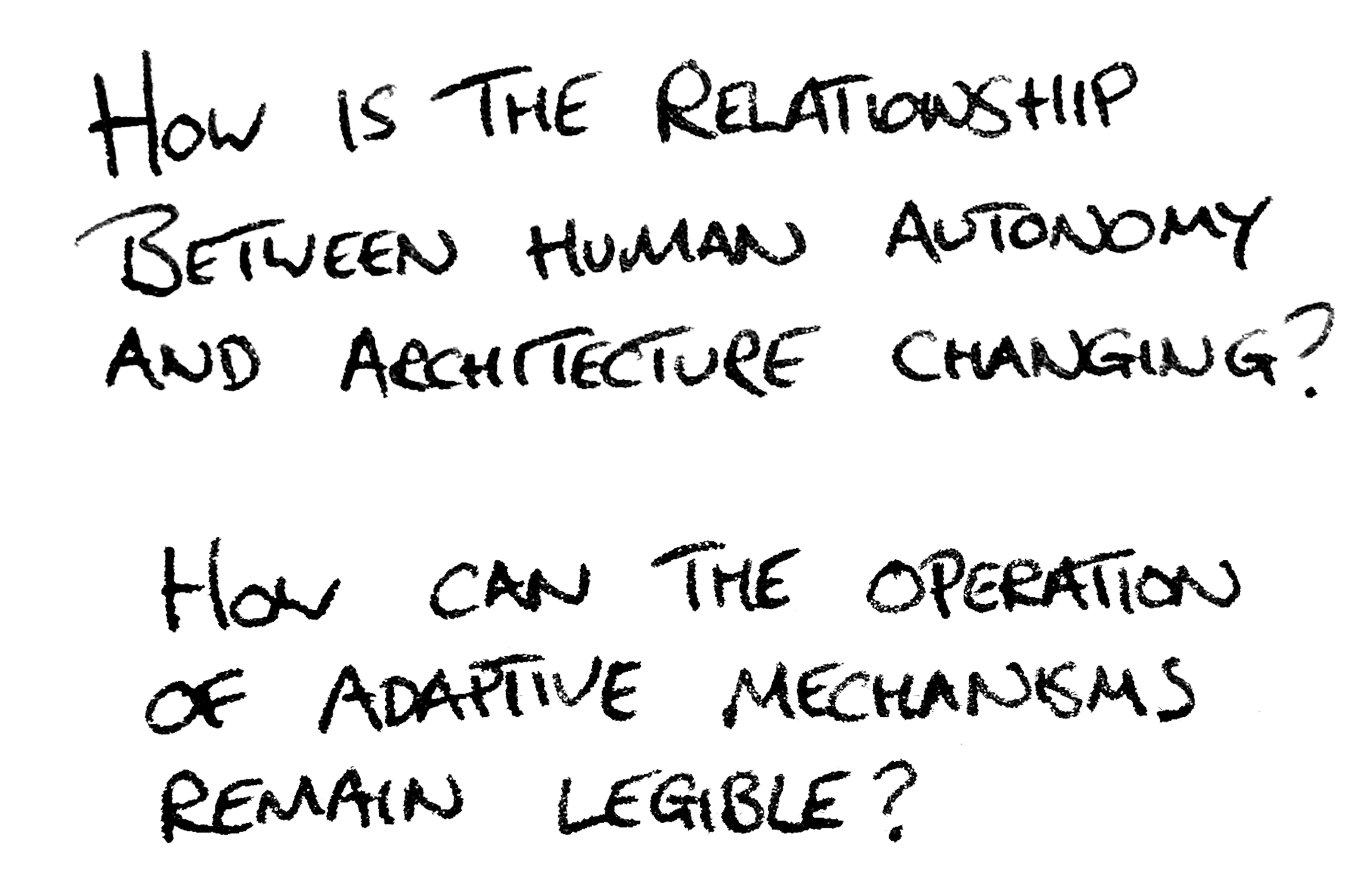
This relationship, like all good ones, should be based on honest communication. The dialogue between the operation of our buildings and its human occupants should be no different. With the increased deployment of sensors, cameras and computation within our spaces, the information we provide to our architecture is not being reciprocated back. We can ultimately see and exist within the spatial and experiential products of ‘smart’ buildings, but its operations and motivations are a far murkier prospect.
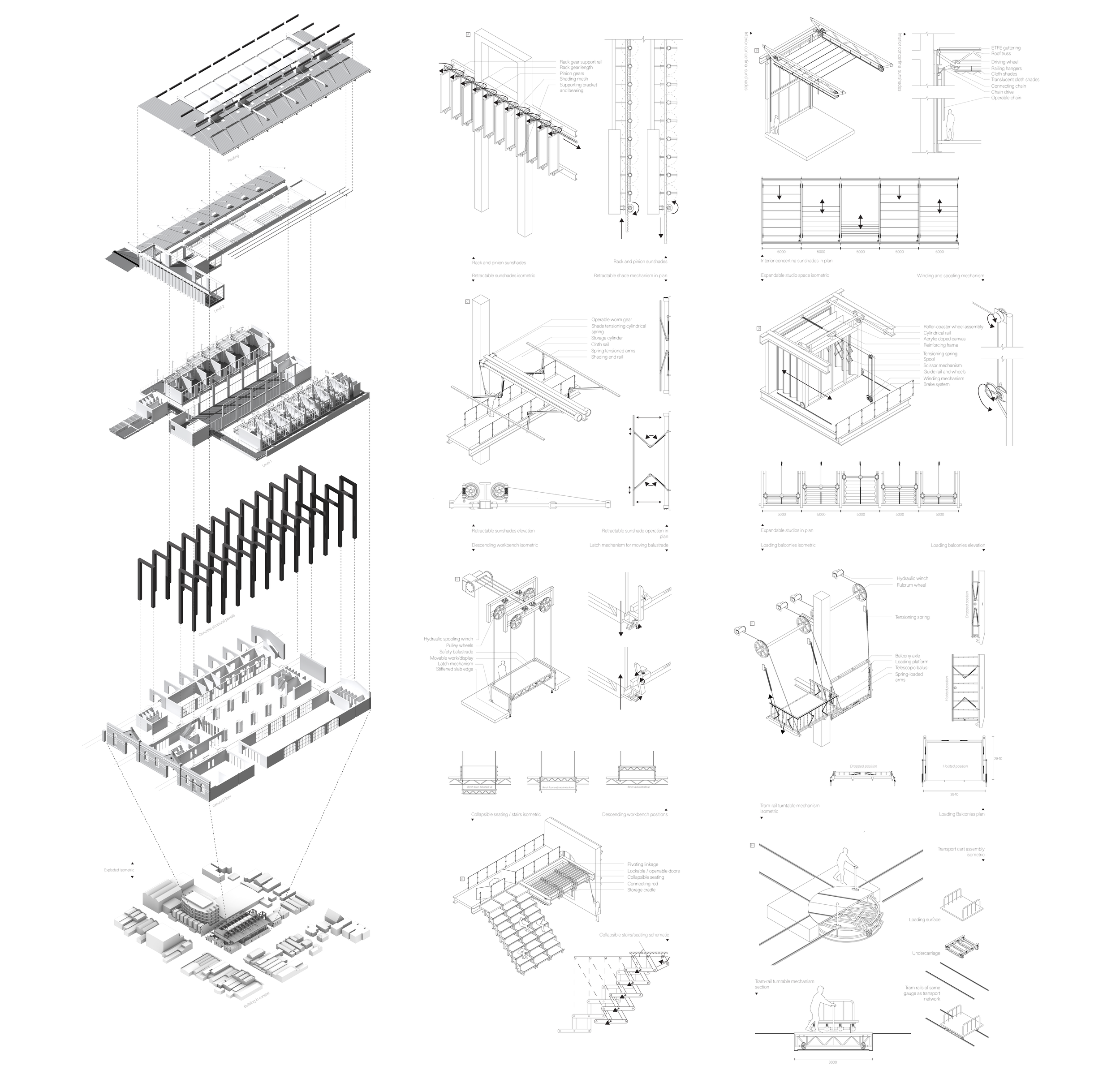
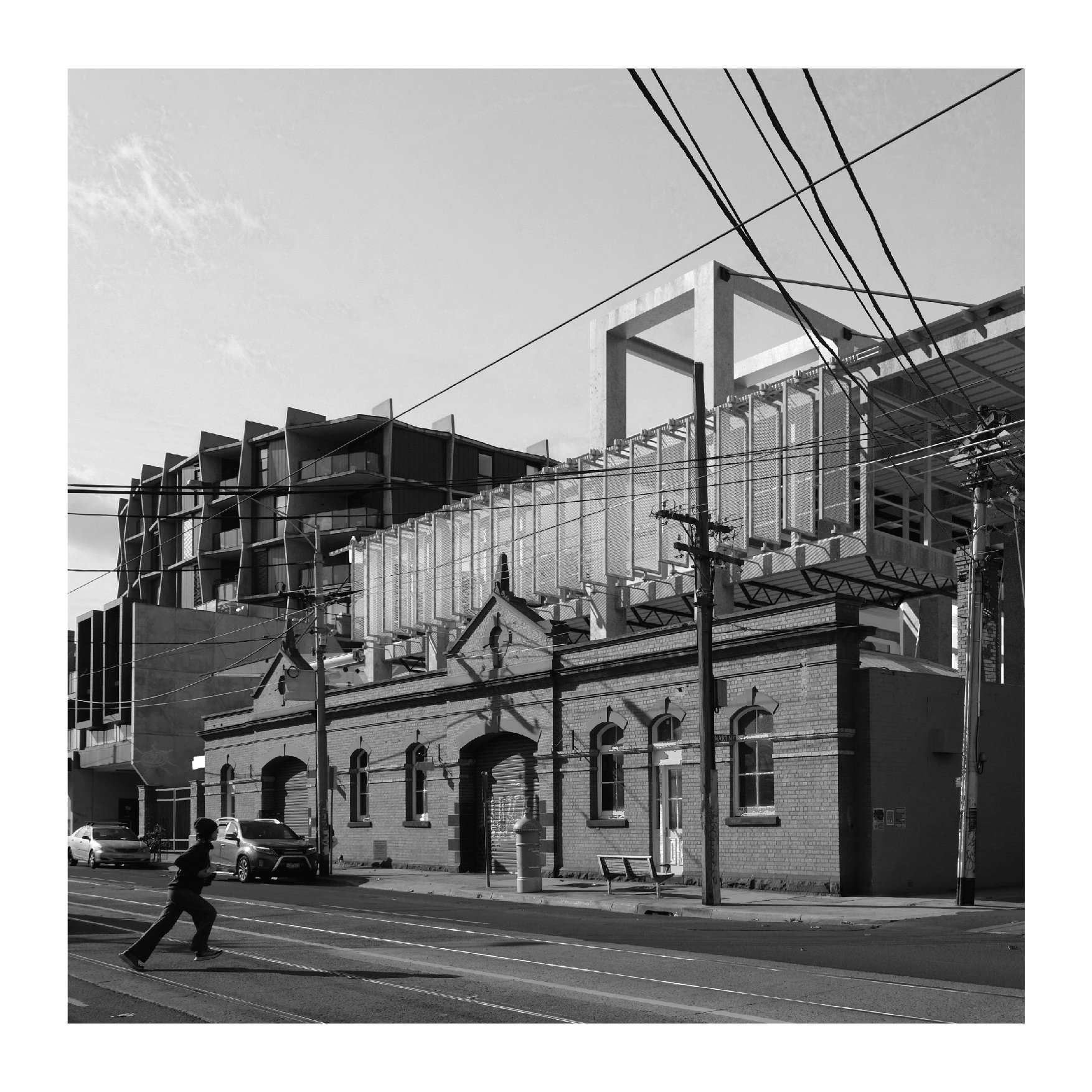
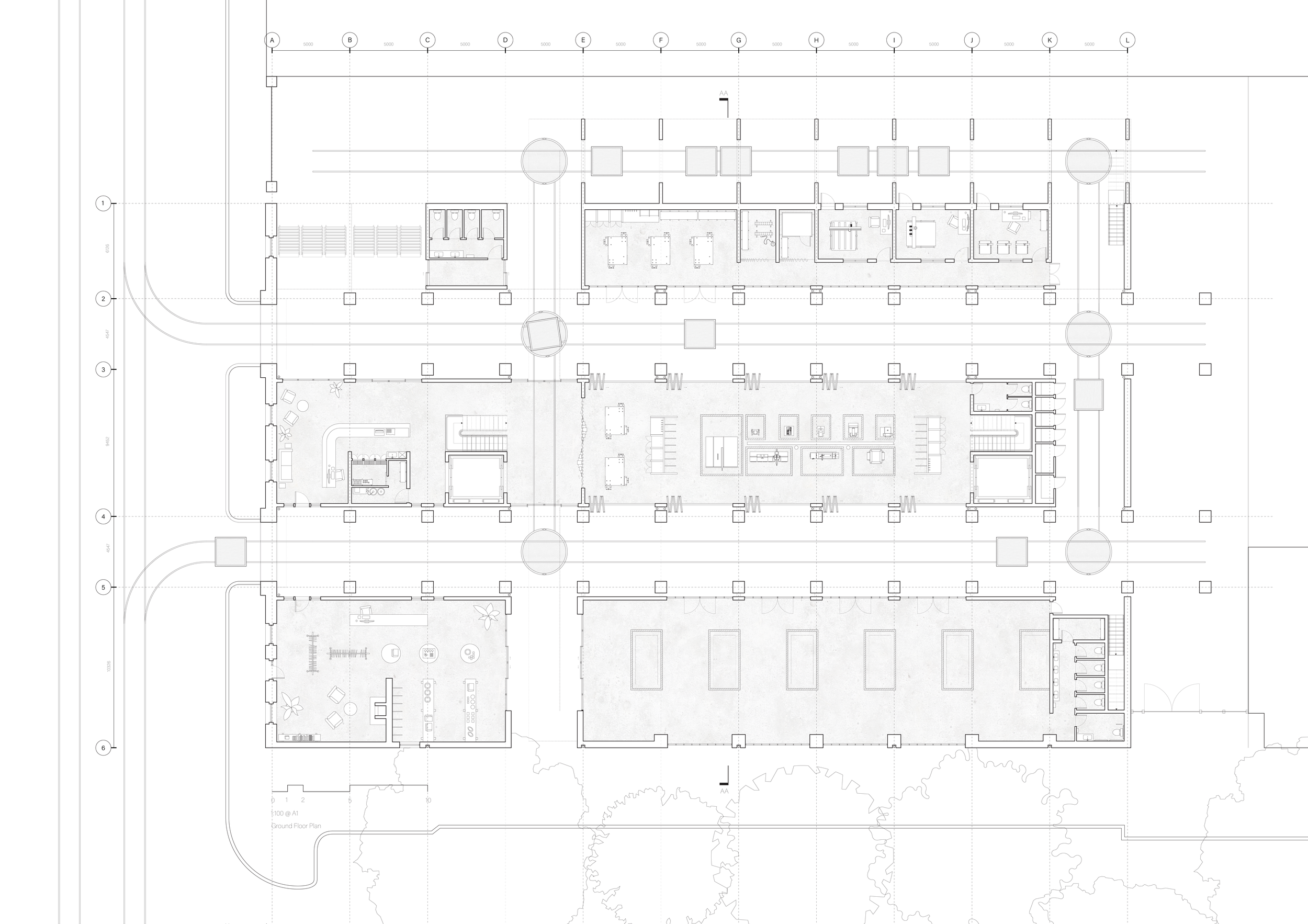
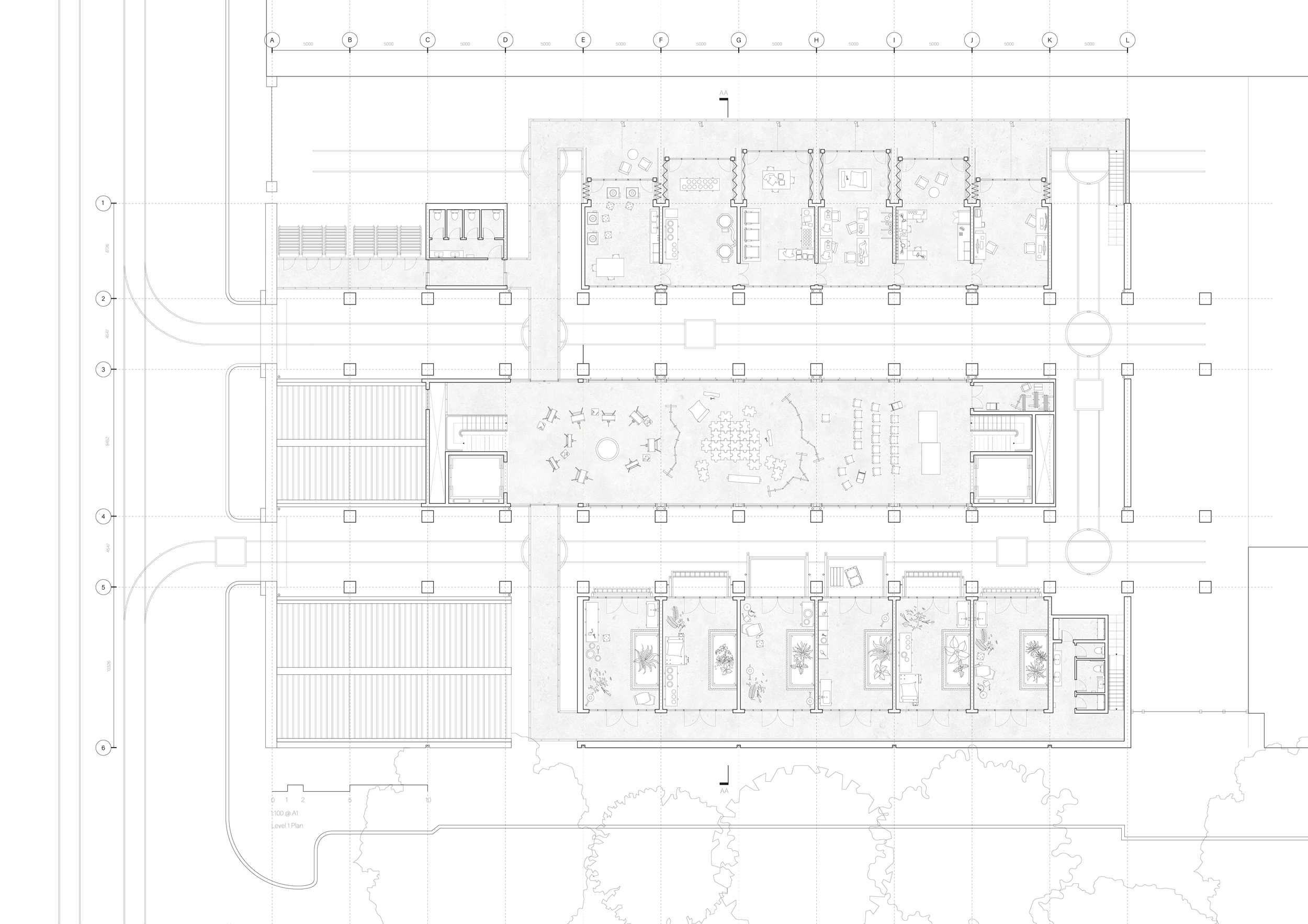
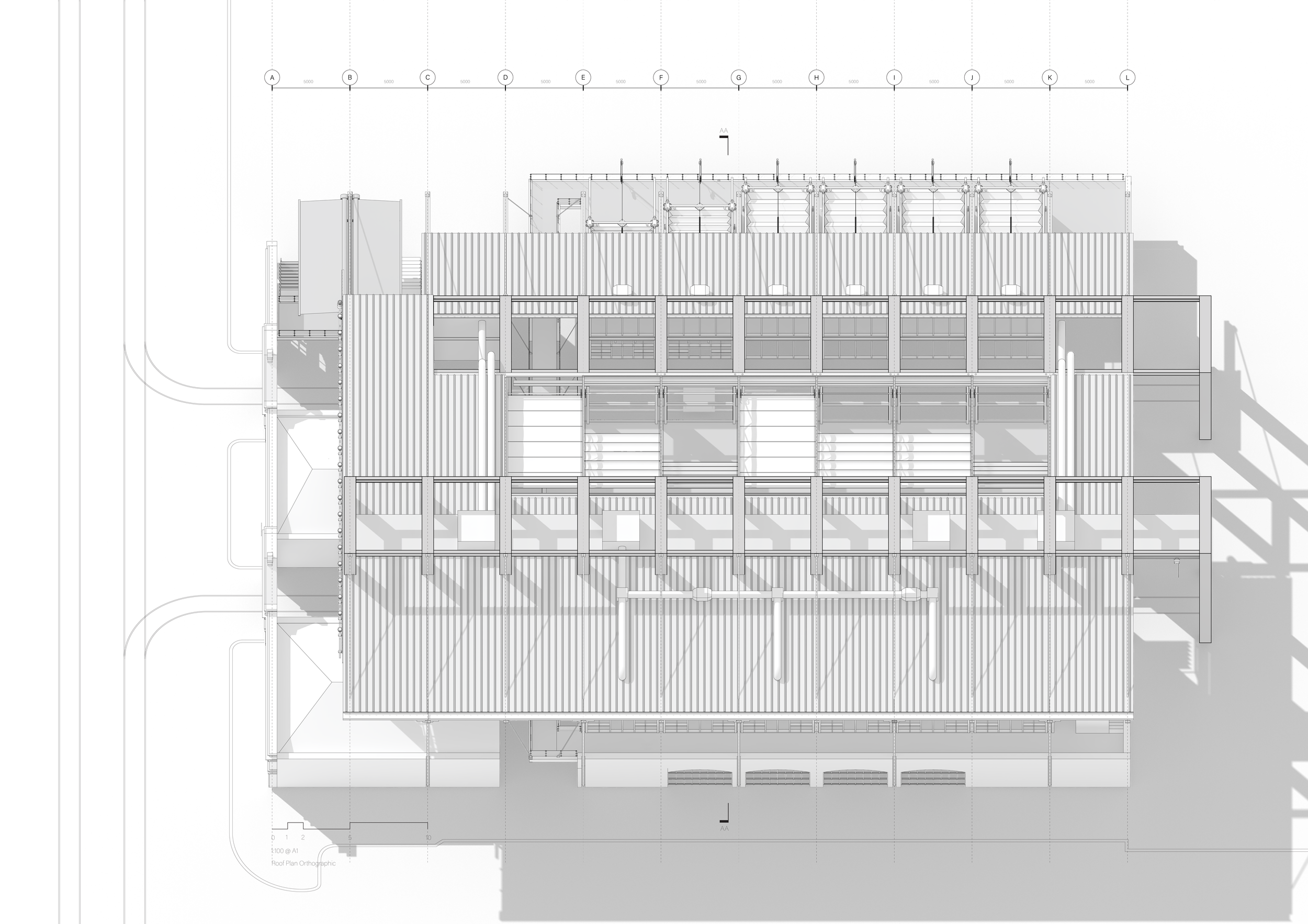
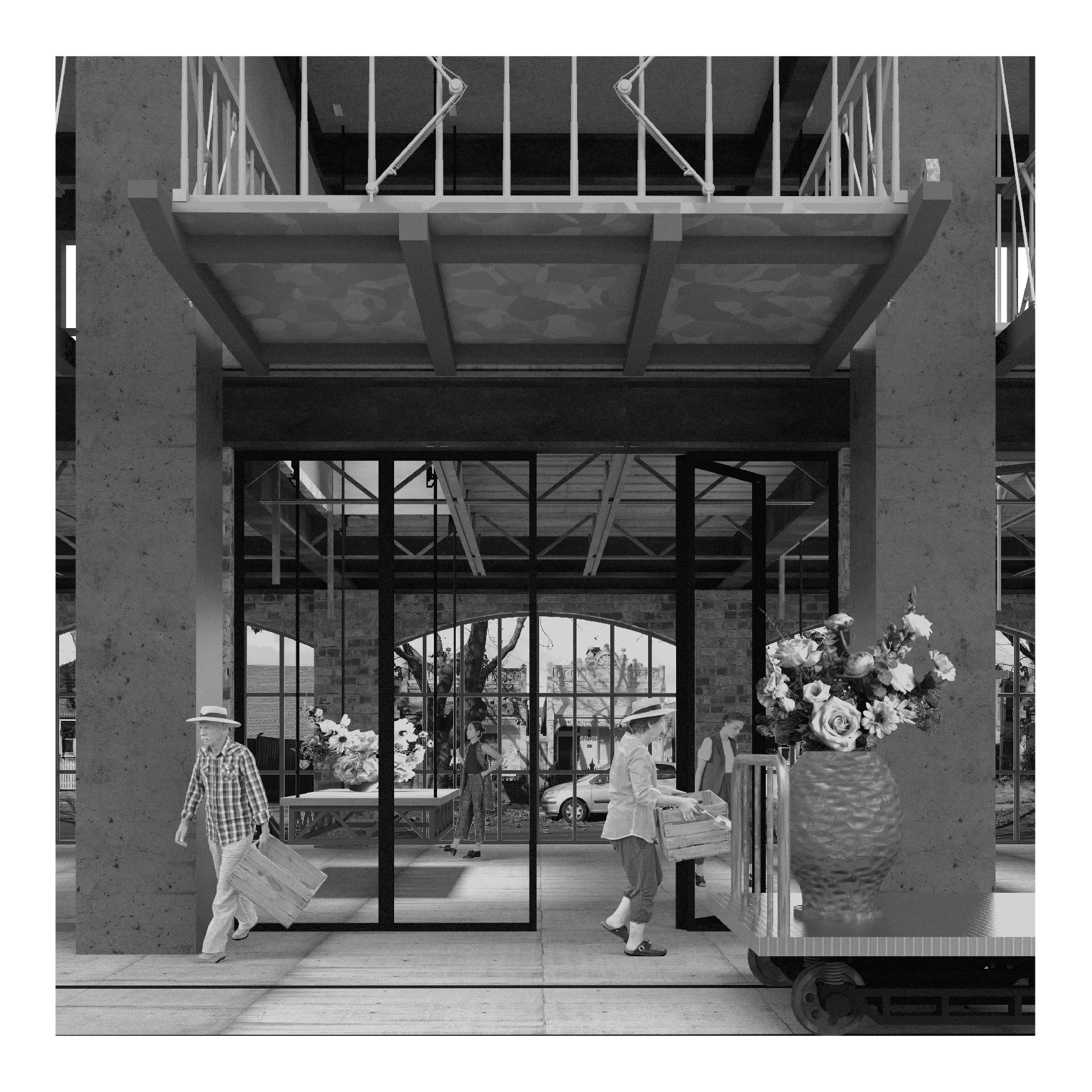
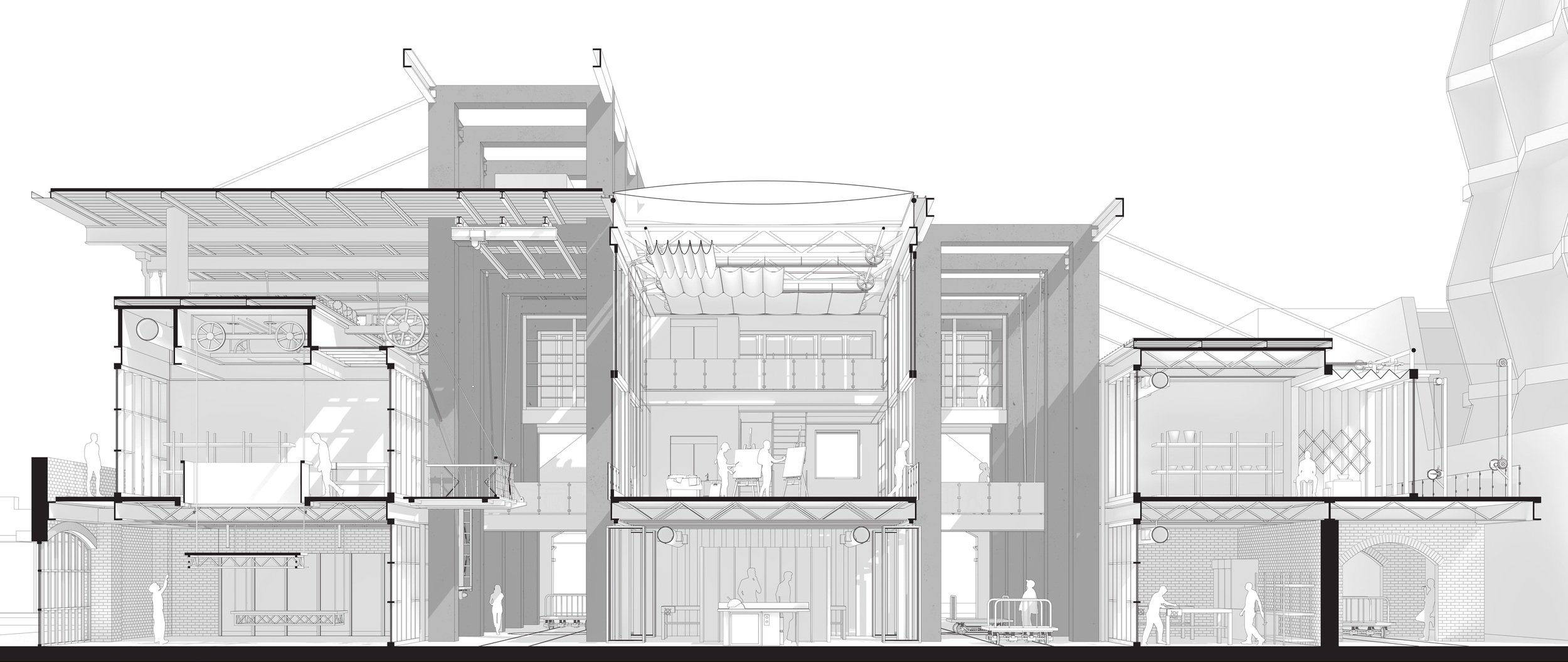
As a means to promote an architectural examination of this relationship, this thesis proposes a building that relies on legible, analogue mechanisms of spatial adaptability - mechanisms which are operationally dependent on human bodily autonomy. Additionally, the program of site instigates a wider analysis of technology’s inertial effect on human sociology and looks to celebrate the very human and poetic act of making. Cumulatively this project aims to establish a sustainable and critical relationship with technology - not just architecturally, but more broadly too.